Why Wheel Speed Changes Almost Everything About What You're Throwing
Quick Answer: Wheel speed isn’t a single ‘correct’ setting — centering generally needs higher speed for momentum, while pulling walls and shaping need progressively slower speeds for control, and beginners who keep one speed throughout often blame themselves for problems that are actually a speed mismatch for that specific stage.
Most early pottery frustration traces back to using roughly the same speed for every stage of the throw, when each stage actually wants something different.
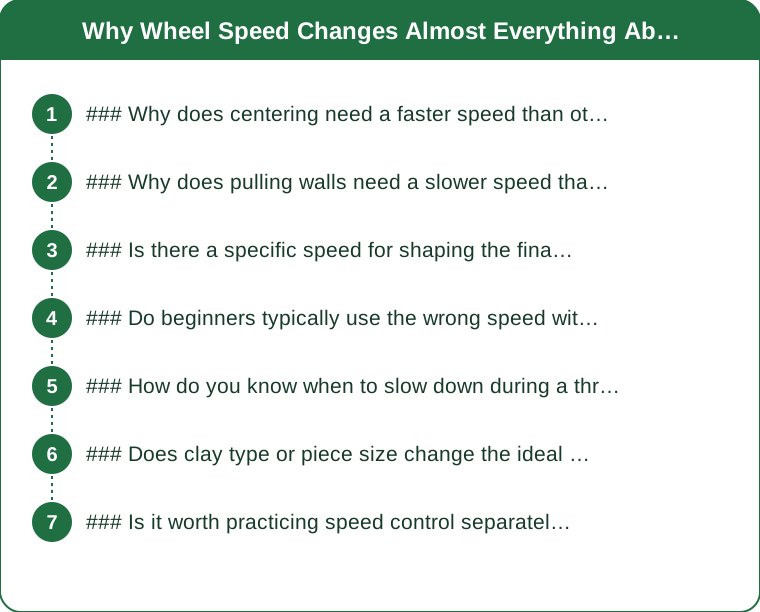
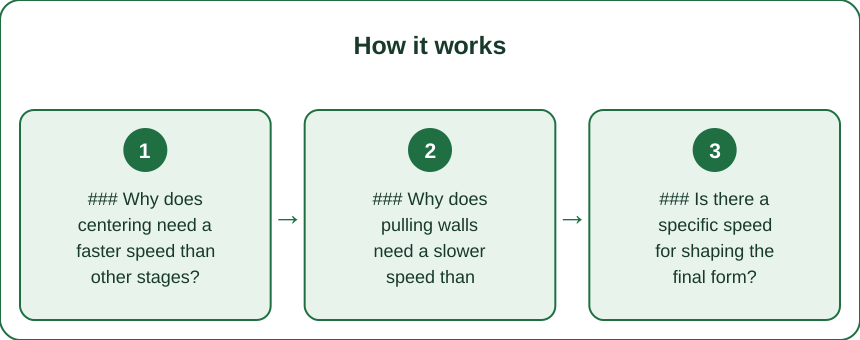
### Why does centering need a faster speed than other stages?
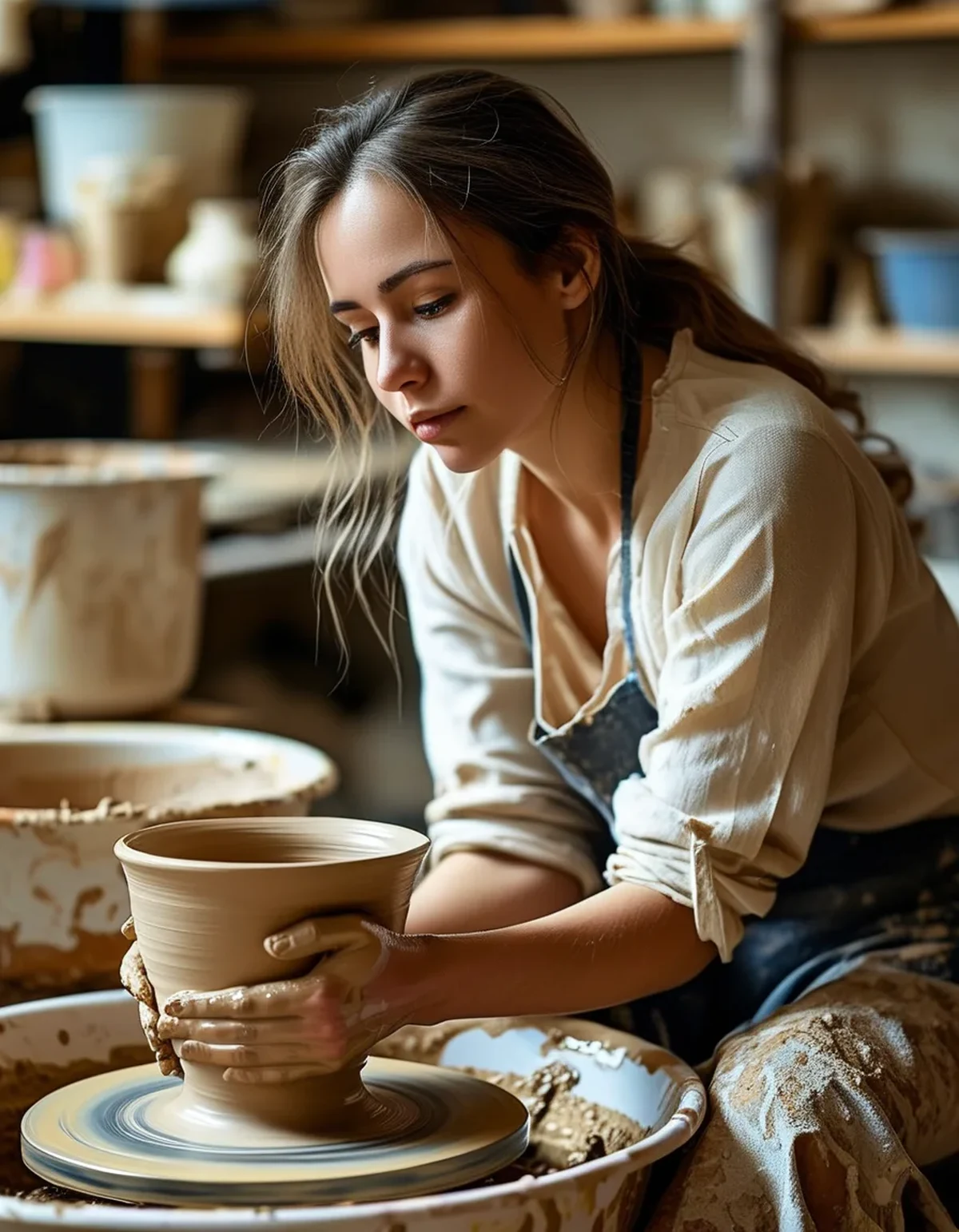
Centering relies on momentum and consistent outward force to bring wobbling clay into a true center, and too slow a speed makes it easy for the clay to drift off-center between hand adjustments rather than staying corrected. A faster wheel speed during centering keeps the clay’s rotational momentum working in your favor, which is why many experienced potters center at or near the wheel’s maximum comfortable speed before slowing down for anything else.
### Why does pulling walls need a slower speed than centering?
Once the clay is centered and opened, pulling walls upward requires much finer control over how much and how evenly clay moves, and a fast wheel speed at this stage makes it far easier to over-pull, thin unevenly, or lose control of wall thickness. Slowing down significantly during wall-pulling gives more reaction time to feel the clay’s response and adjust pressure before a mistake becomes irreversible.
### Is there a specific speed for shaping the final form?
Shaping generally benefits from an even slower speed than pulling walls, since fine detail work — creating curves, defining a foot, adjusting a rim — needs the most precision and the least momentum-driven risk of the entire process, which is why many potters describe shaping as happening at a near-crawl compared to centering speed.
### Do beginners typically use the wrong speed without realizing it?
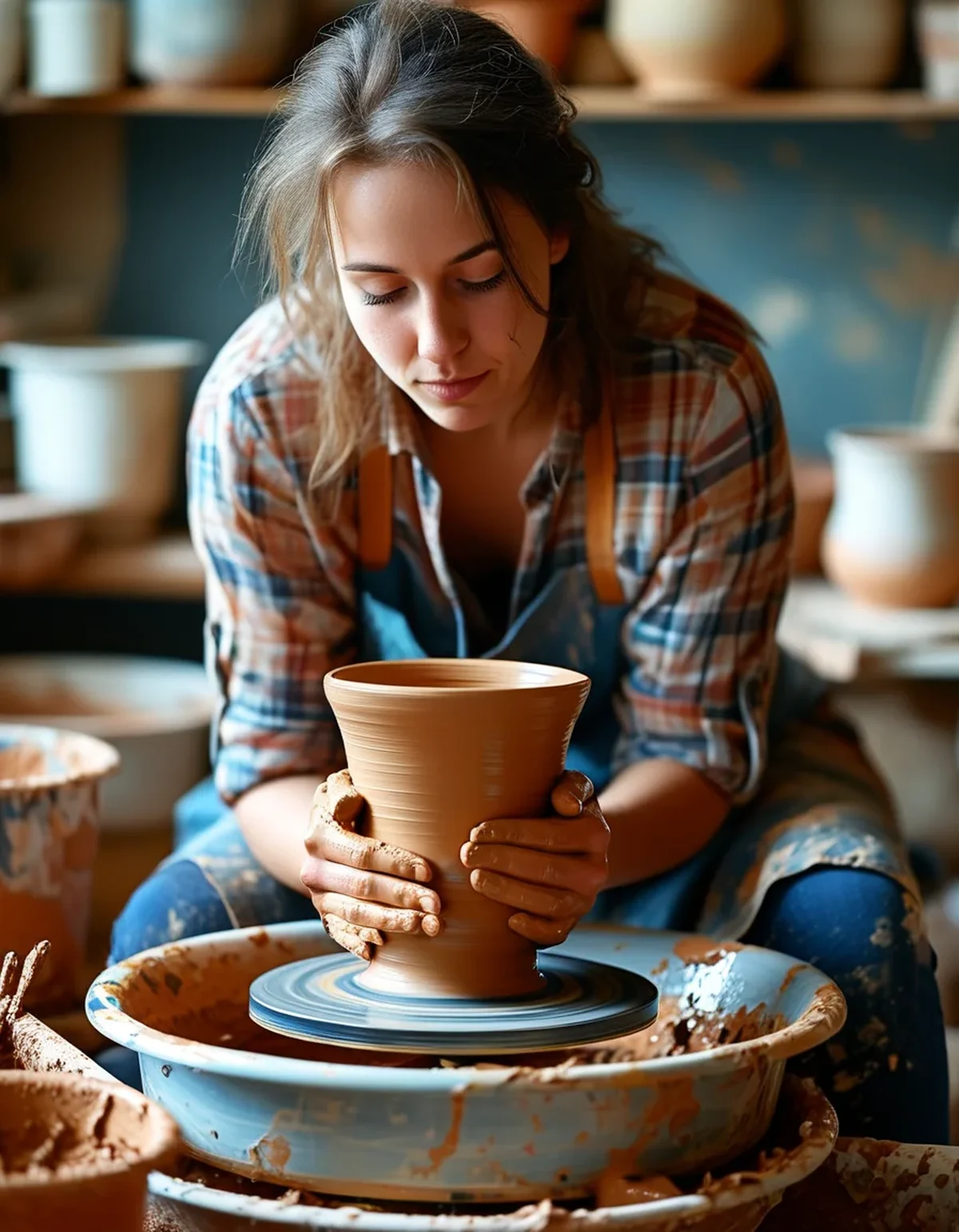
Very commonly — a frequent beginner pattern is settling on one comfortable middle speed and using it for the entire throw, which makes centering slower and more frustrating than it needs to be while simultaneously making wall-pulling riskier and less controlled than it should be. Recognizing that speed should change stage to stage, not stay fixed, resolves a surprising amount of early throwing difficulty.
### How do you know when to slow down during a throw?
A useful cue is slowing down anytime you need more precision than power — once clay is centered and you’re making deliberate, controlled movements rather than large corrective ones, that’s the signal to ease off the pedal, even if it feels like it’s slowing down your overall progress.
### Does clay type or piece size change the ideal speed pattern?
Somewhat — larger pieces generally need slightly higher speeds throughout than small pieces, since more mass requires more momentum to move predictably, while very soft or wet clay often benefits from slightly slower speeds even during centering, since the added momentum from higher speed can distort softer clay more easily than firmer clay.
### Is it worth practicing speed control separately from throwing technique?
Yes, and many pottery instructors specifically recommend it — spending a session focused purely on smoothly transitioning between a fast centering speed and a slow shaping speed, without worrying about the final piece’s quality, tends to build the foot-pedal control that makes every subsequent throwing session noticeably smoother.
TL;DR:
- Centering benefits from faster speed and momentum
- Pulling walls needs a significant slowdown for control and reaction time
- Shaping and detail work call for the slowest speed of the whole process
- Using one fixed speed throughout is a common, fixable beginner pattern
- Piece size and clay softness both shift the ideal speed slightly
Matching speed to the stage, not keeping it constant, resolves a lot of early throwing frustration.
Keep Reading
This article is for general informational and styling purposes only. Fit, sizing, and product availability may vary.