Why the Same Clay Feels Completely Different by Your Second Pottery Session
Quick Answer: Clay’s workability depends heavily on its moisture content, and even sealed clay slowly loses or redistributes moisture between sessions — clay stored improperly can dry out unevenly (stiff outside, soft inside) or absorb ambient humidity, both of which change how it responds on the wheel or in hand-building compared to how it felt freshly opened; wedging the clay thoroughly before starting each new session largely resolves this inconsistency.
Clay changing between sessions isn’t a sign of a bad batch — it’s a normal moisture-state shift that a proper wedging routine is specifically designed to correct.
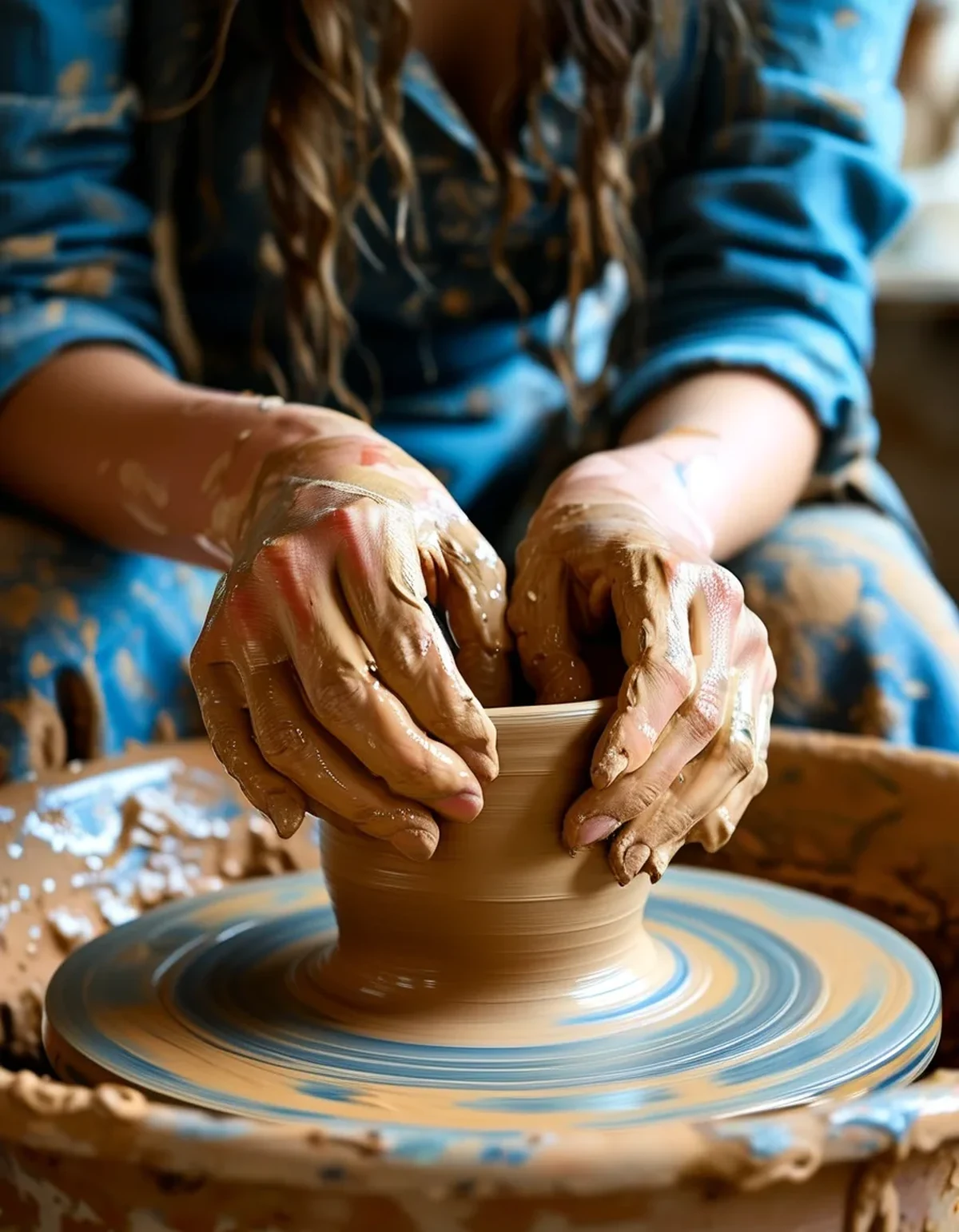
Why would sealed, stored clay actually change consistency between one session and the next?
Clay is a living material in the sense that its moisture is never perfectly locked in place, even in a sealed bag — moisture can migrate within the clay mass toward drier areas, evaporate slowly through microscopic gaps in packaging, or the clay can absorb humidity from a damp storage environment. This uneven moisture redistribution is why a block that felt uniformly workable when first opened can develop stiff outer layers or unexpectedly soft pockets by the next use.
What does wedging actually fix about this inconsistency, mechanically?
Wedging is a kneading process that physically redistributes moisture evenly throughout the clay mass while also removing air pockets that could cause problems later in firing. By working the clay thoroughly before starting, any stiff or overly soft zones get blended back into a single, uniform consistency, which is precisely the inconsistency that develops during storage between sessions.
Is there a reliable way to tell, just by handling it, whether clay needs more wedging before starting?
Clay that feels uneven — slightly crumbly or stiff in spots, tacky or overly soft in others — signals incomplete moisture distribution and needs more wedging. Properly wedged clay should feel uniformly smooth and evenly pliable throughout, with no lumps, air pockets, or noticeably different textures from one area of the block to another.
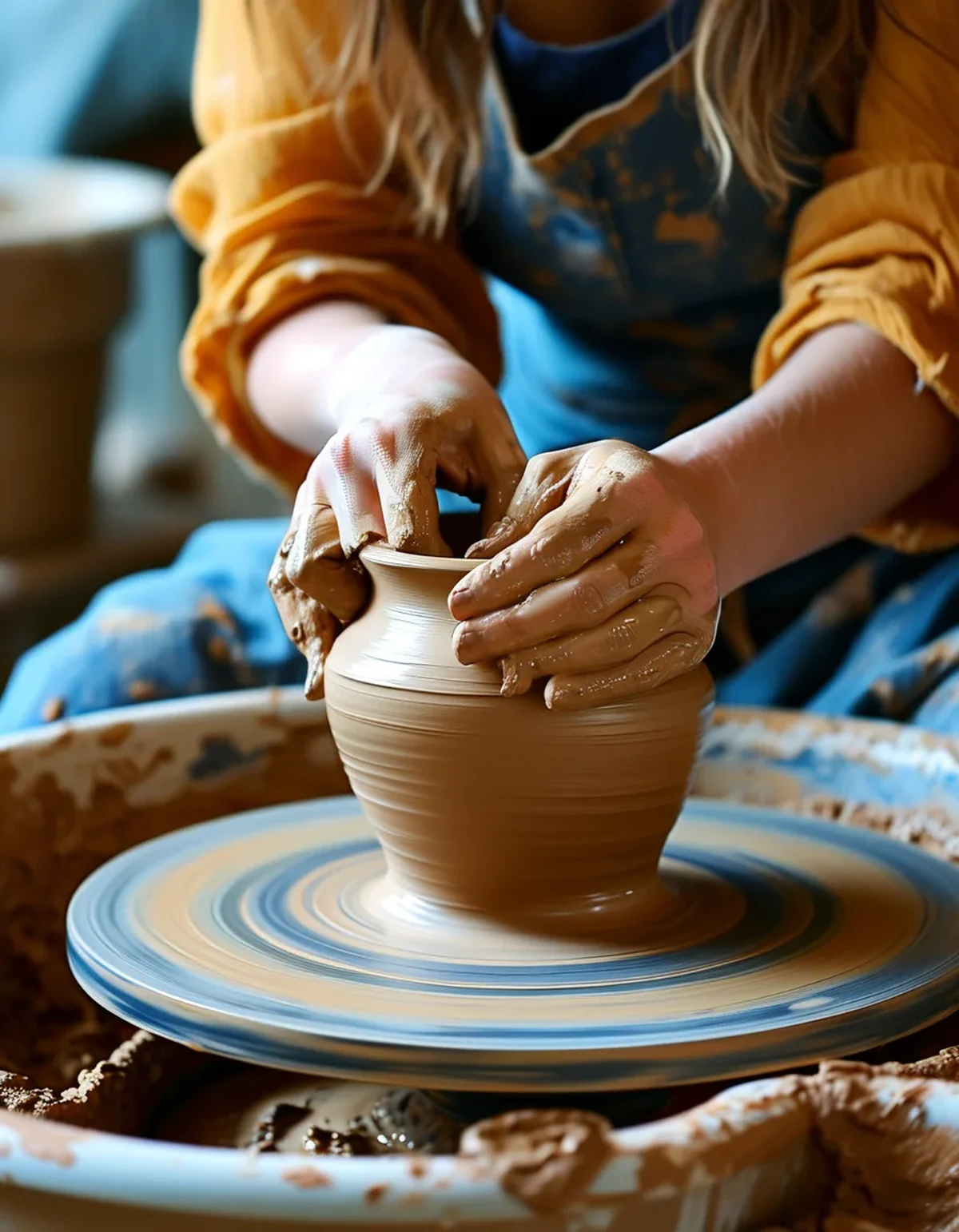
Does how clay is stored between sessions actually make a meaningful difference to this problem?
Yes, significantly — clay wrapped tightly in plastic, stored in an airtight container, and kept away from direct heat or very dry air maintains a much more consistent moisture level between sessions than clay left loosely covered. For clay that’s already dried out somewhat, a damp cloth wrapped around it for a day or two before the next session can help restore workable moisture before wedging.
What Nobody Tells You About Clay Consistency Between Classes
Community studio clay, shared and reused by multiple students, is especially prone to this inconsistency, since it’s handled, exposed to air, and sometimes mixed with reclaimed scraps of varying moisture levels between different people’s sessions — spending a little extra time wedging shared studio clay, more than clay from a private, freshly opened bag, meaningfully improves how predictable the first few minutes of a session actually feel.
FAQ: Clay Consistency and Wedging, Answered
How long should a typical wedging session take before clay is ready to use?
For a small to medium ball of clay, roughly 5 to 10 minutes of thorough wedging is generally enough to achieve even consistency, though larger amounts take proportionally longer.
Can clay that’s become too dry between sessions actually be salvaged, or does it need to be thrown out?
Moderately dried clay can usually be salvaged by rehydrating it gradually with a damp cloth or brief soak, then wedging thoroughly, though severely dried, crumbly clay is harder to fully restore.
Does this moisture-inconsistency issue affect hand-building the same way it affects wheel-throwing?
Yes, though it shows up differently — inconsistent moisture in hand-building can cause uneven cracking or joining problems between pieces, making thorough wedging just as important before hand-building as before throwing.
TL;DR:
- Clay’s moisture redistributes and can be lost or gained even in sealed storage between sessions
- This produces uneven consistency — stiff patches, soft pockets — that feels different from the first opening
- Thorough wedging before each session physically restores even moisture distribution
- Proper airtight storage and rehydrating dried clay with a damp cloth both help minimize the shift
Clay feeling different session to session is a normal, explainable moisture behavior, not a flaw in the material — a consistent wedging habit before starting is the direct, reliable fix.
Keep Reading
This article is for general informational and styling purposes only. Fit, sizing, and product availability may vary.